Fitness Tech is a student-led engineering organization at the University of Washington built around one idea: an athlete's health data should live in one place, and it should work for them. We centralize that data into a single hub — and design and build the custom devices that feed it, from breadboard to custom PCB, entirely by students.
The hub. A cross-platform Flutter app that pulls workouts, nutrition, sleep, hydration, and biometrics into one profile, with an AI coaching layer that reasons across all of it. It stands entirely on its own — download it today and log everything by hand. Our devices just make that logging automatic.
Live on the iOS App Store · Android in testing
Everything we do falls under three connected principles. Individually, none of them is unique. Together, they are the organization.
One hub for everything. Every device we build streams into MyFitnessTech, alongside everything a user logs by hand. One profile, one complete picture — not a dozen disconnected apps.
We design our own hardware around the questions we want answered. Circuit design, firmware, PCB layout, 3D-printed enclosures — the full stack is student-built, so the full data pipeline is transparent.
Data only matters when it becomes a decision. Our coaching layer reasons across every stream at once to surface why performance moved, what to change, and what is working.
The short version of who we are
Each device exists because it answers a data question the hub cannot answer without it — not because the hardware was interesting on its own.
Future devices get chosen the same way: ask what data would most improve an athlete's picture — or what a coach has told us they cannot currently see — then engineer the device that captures it.
The same centralized data serves each of them differently
All health data in one place, plus coaching that actually knows you — hydration, activity, recovery, and progress without the guesswork or the subscription wall.
Device-driven tracking that turns training into measurable data: reps, heart rate, effort, hydration, and recovery. Find what's working, fix what isn't, and improve against evidence instead of feel.
Live visualization across the whole roster — fatigue, effort, readiness, and workload. Spot problems before they become injuries, at student-team prices rather than pro-lab prices.
Our near-term effort is aimed squarely at athlete teams — UW club and varsity programs, campus recreation groups, and small training organizations. The approach is deliberately bottom-up: before we design another device, we ask coaches what they actually want to know about their athletes, and we build toward those answers.
Centralize health data into one hub and engineer research-driven devices around it — helping everyday people train smarter, athletes unlock more gains, and coaches lead their teams to more wins.
Discord is where the day-to-day collaboration happens. HuskyLink and Instagram are where you'll find events and recruiting.
Open to all majors and experience levels — the work genuinely requires all of them
Defines the question before the hardware team builds the answer — literature review, testing protocols, and analysis of data we collect ourselves.
Takes a device from loose wires on a breadboard to a fabricated custom PCB in a printed enclosure.
Builds the hub itself — the MyFitnessTech app, the BLE protocols that feed it, and the models that turn raw signal into coaching.
Keeps the hardware funded and the org growing — because a student organization that can't fund its next PCB run stalls.
Every device moves through the same de-risked path — each stage validates assumptions before we commit money to the next
Sensors and microcontroller wired loose, data streaming end to end. Proves the measurement is possible at all.
Soldered build in a wearable form factor, paired to the app. Proves it works off the bench, on a body.
KiCad schematic and layout, professionally fabricated and assembled. Proves it can be made repeatably and small.
3D-printed housing in Fusion 360, ergonomics and durability testing. Proves people will actually wear or carry it.
Integration, user testing, benchmarking, research data collection. Proves the numbers can be trusted.
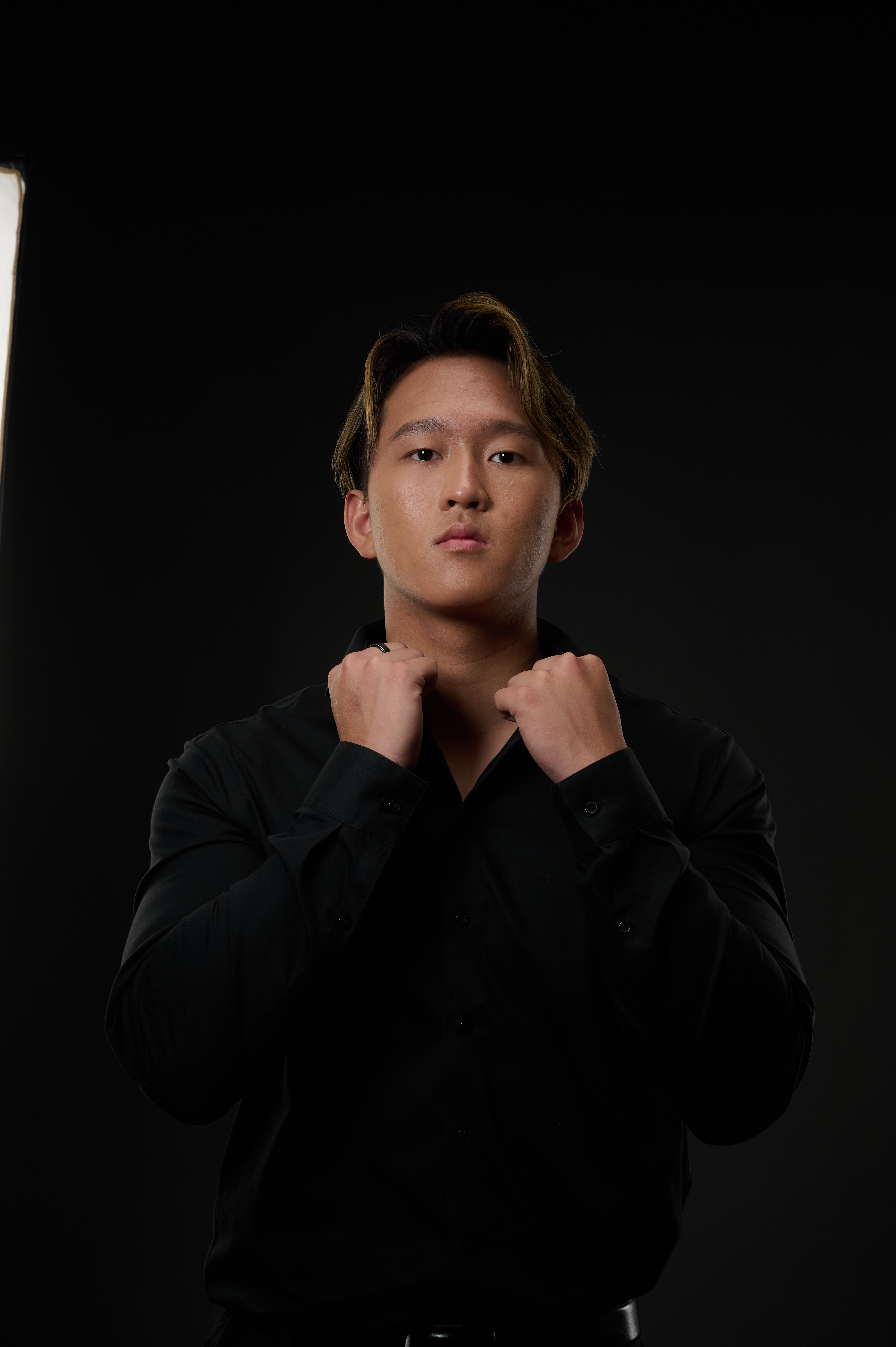
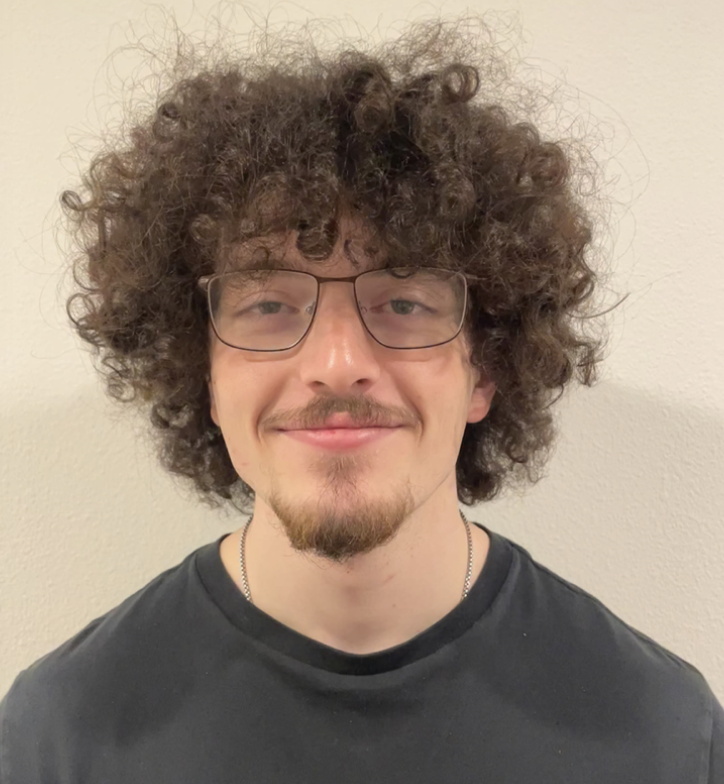
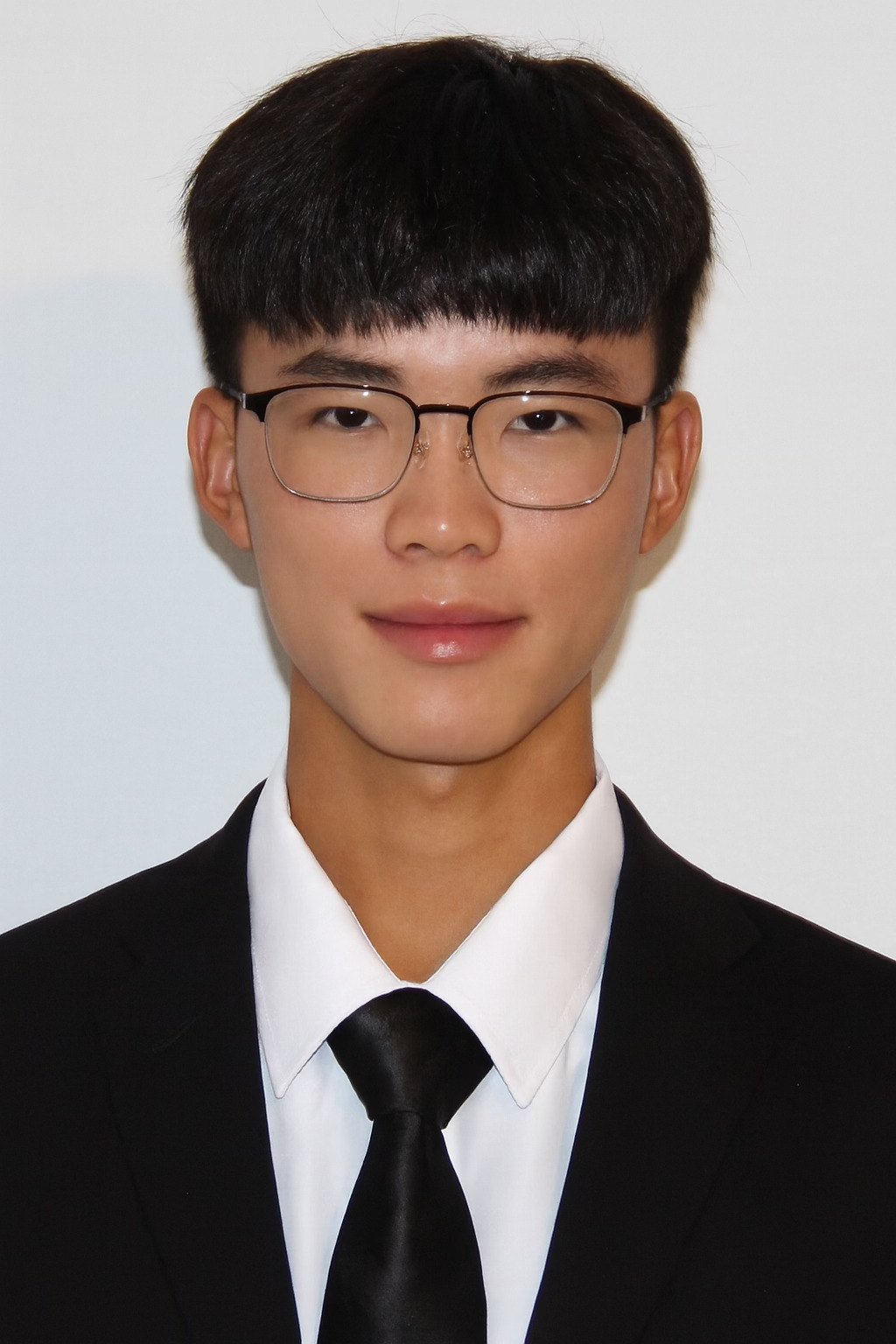
Building Fitness Tech with passionate student leaders
Open Position
Open Position
Open Position
Faculty guiding our organization
Department leads driving our technical initiatives
Open Position
An electrical engineer designs the PCB. A CS student writes the app. A data scientist trains the model. A bioengineering student designs the validation study. A business student secures the funding. Every skill has a place.
Start on Discord for day-to-day collaboration • HuskyLink and Instagram for events